ENT Solutions for Better Sleep

Otolaryngologist Covington, Louisiana

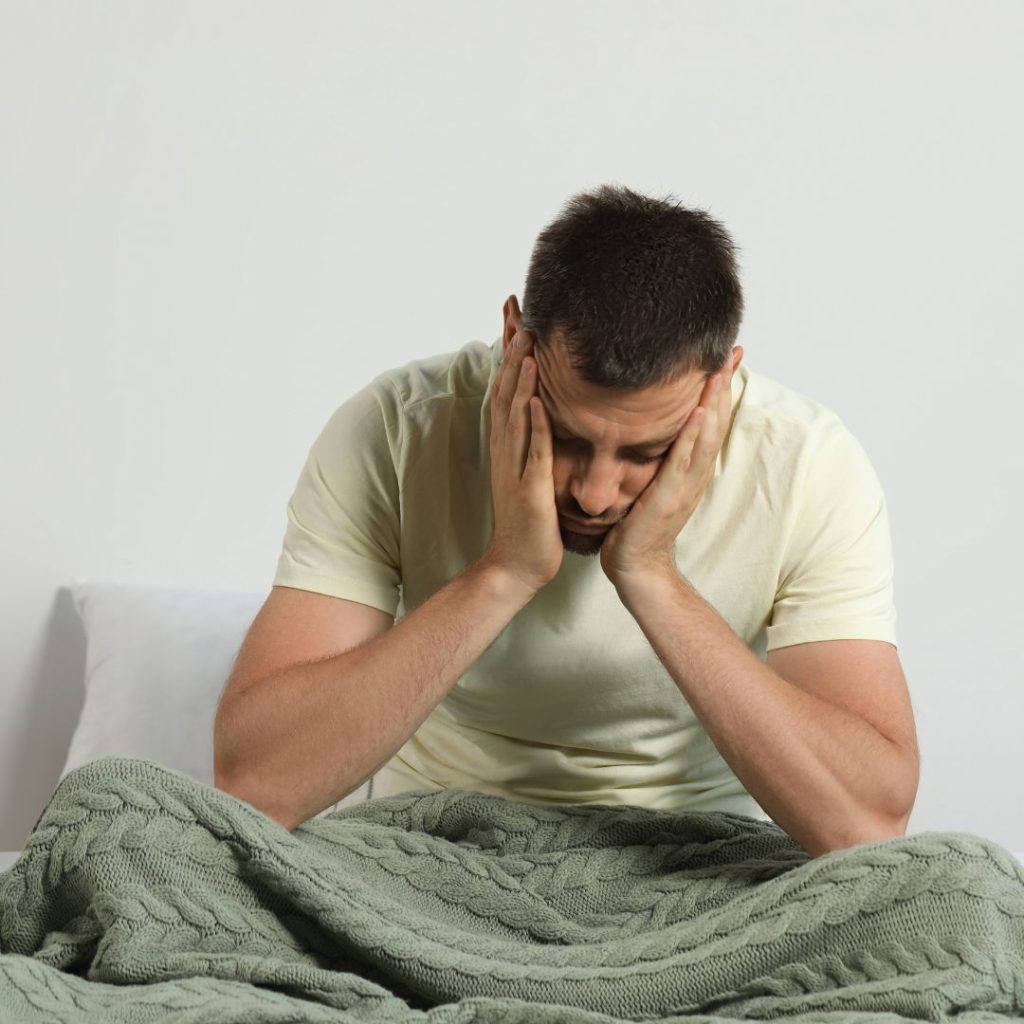
Sleep disorders such as sleep apnea and chronic snoring are often tied to ENT issues. Left untreated, they can impact overall health and quality of life.

Snoring vs. Sleep Apnea

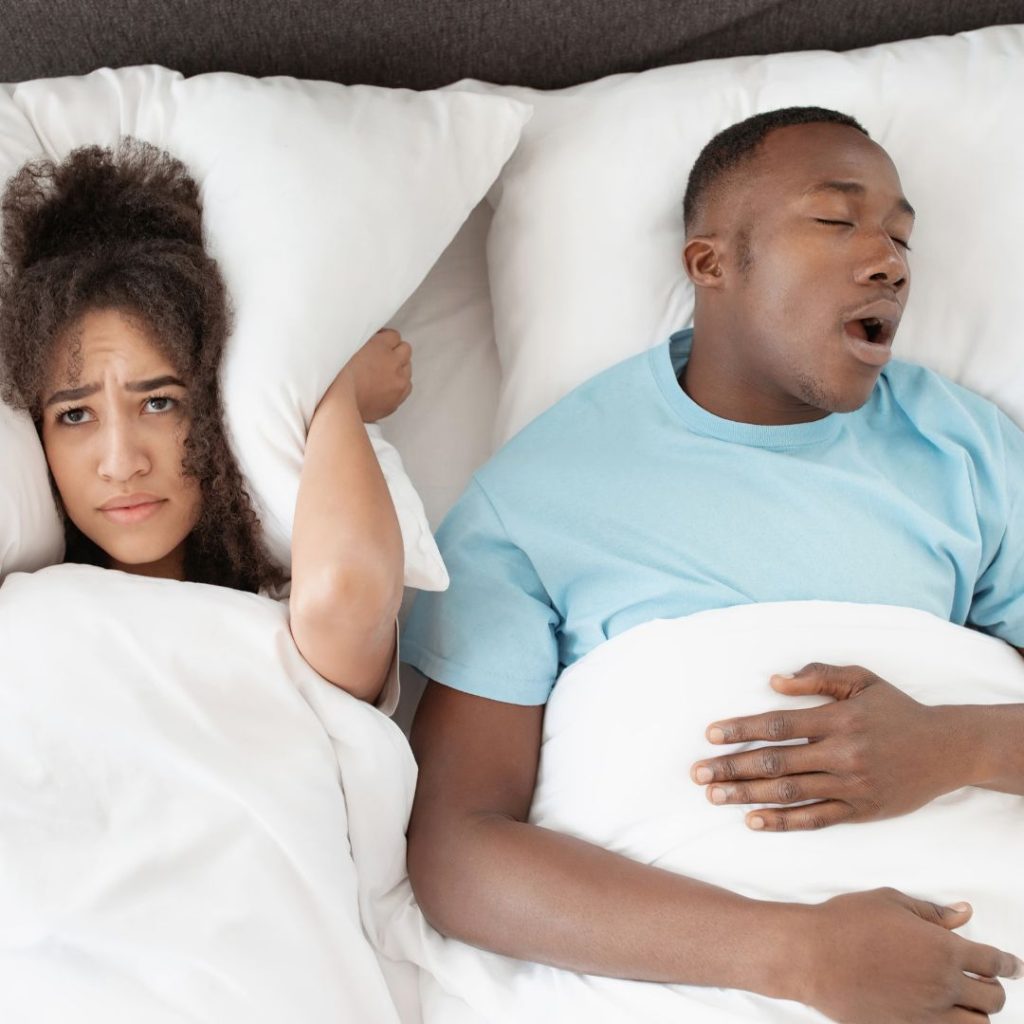
Not everyone who snores has sleep apnea, but nearly everyone with sleep apnea snores. Snoring alone may be harmless, but when paired with symptoms like fatigue, gasping, or pauses in breathing, it should be taken seriously.

Understanding Sleep Apnea

Sleep apnea is a disorder that disrupts normal breathing during sleep. Patients with this condition experience repeated pauses in breathing, which lowers oxygen levels and prevents deep, restorative rest. Left untreated, sleep apnea is linked to serious health risks, including high blood pressure, heart disease, and daytime fatigue that impacts safety and quality of life.

Types of Sleep Apnea

Obstructive Sleep Apnea (OSA)

The most common type, OSA occurs when the soft tissues in the back of the throat collapse and block airflow. The brain senses this disruption and briefly wakes you up to resume breathing, often leading to loud snoring or gasping. These repeated awakenings prevent the body from reaching healthy sleep cycles.

Central Sleep Apnea

Less common but more serious, central sleep apnea happens when the brain fails to signal the muscles to breathe properly. This form is often linked to neurological conditions or other medical issues.

Symptoms of Sleep Apnea

Patients with sleep apnea may notice—or have a partner notice—symptoms such as:

  • Loud, persistent snoring
  • Gasping, choking, or pauses in breathing during sleep
  • Waking frequently at night
  • Morning headaches
  • Excessive daytime sleepiness or fatigue
  • Difficulty concentrating or memory issues
  • Mood changes or irritability
  • Decreased libido

How Sleep Apnea and Snoring Are Diagnosed

Diagnosis begins with a thorough evaluation. Our physicians may identify issues such as swollen tonsils, a deviated septum, or other obstructions contributing to snoring and breathing difficulties. In many cases, a sleep study may be recommended to measure oxygen levels, breathing patterns, heart rate, and brain activity. These can be performed at home with monitoring devices or in a specialized sleep lab.

Treatment Options

Treatment is personalized based on the severity and cause of symptoms. Options may include:

  • Lifestyle Modifications: Weight management, avoiding alcohol, and adjusting sleep positions.
  • Oral Appliances: Devices worn during sleep to keep airways open.
  • CPAP Therapy: Continuous Positive Airway Pressure delivers steady airflow to prevent airway collapse.
  • Surgical Solutions: Minimally invasive or surgical procedures to reduce obstructions and improve airflow.

Why Choose ENT & Plastic Surgery Specialists of Louisiana

Our physicians combine advanced diagnostic tools with decades of expertise to identify the root cause of your sleep concerns. Whether your symptoms are minor or severe, our goal is to restore restful sleep and protect your long-term health.